Osa and her omolúos: meaning of the 16 combinations

osa signs of ifa

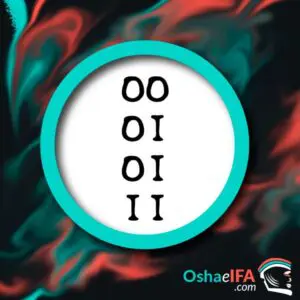
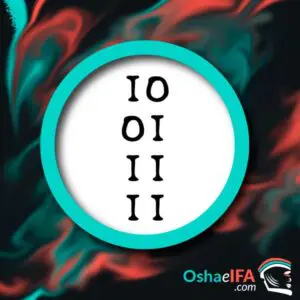
Osa, called Òsá in the Yoruba tradition, is one of the 16 principal signs of Ifá. Its teachings relate to transformation, movement, the influence of invisible forces, and the need to adapt to change. This family comprises Osa Meyi and the fifteen omolúos that are formed by combining Osa with the other principal odu.


The 16 odu of the Osa family

The Osa family is composed of Osa Meyi, which belongs to the Ojú Odù, and its fifteen combinations or Amúlù Odù. Each sign retains the foundation of Osa, but develops particular warnings, advice, and teachings according to the second odù that intervenes.

Osa Meji

Òsá Méjì · Ojú Odù · Odù no. 10

It relates to transformation, commerce, and the ability to manage businesses or administer assets. Its teachings advise balancing material ambitions with spiritual responsibilities and acting prudently in the face of sudden changes.

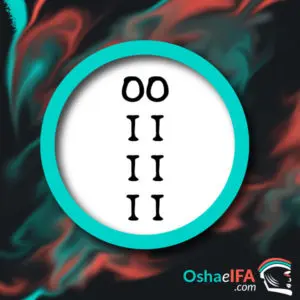
Osala fobeyo

Òsá Ogbè · Amúlù Odù · Odù no. 152

It exposes duality and the presence of opposing forces within the same situation. It warns that appearances and even instruments of divination can be misleading when adverse influences are present, therefore requiring verification before making a judgment.

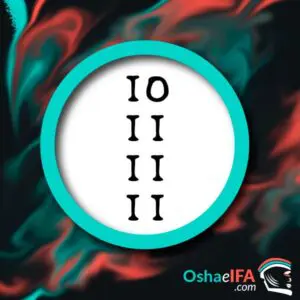
Osa Yekun

Òsá Òyèkú · Amúlù Odù · Odù no. 153

It may indicate financial difficulties, uncertainty, and delays caused by neglected obligations. It recommends strengthening discipline, properly attending to the Orishas, ​​and calmly preparing to face periods of instability.

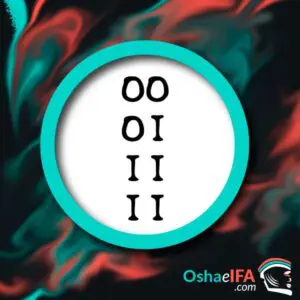
Osa Iwori

Òsá Ìwòrì · ​​Amúlù Odù · Odù no. 154

It emphasizes loyalty, resourcefulness, and the ability to navigate complex situations. It teaches that intelligence should be used to find solutions and maintain genuine relationships, not to justify deceit or manipulation.

Osa Di

Òsá Òdí · Amúlù Odù · Odù no. 155

Remember that each person is born with unique abilities and opportunities. It is advisable to recognize your own calling, focus your efforts, and not waste energy trying to fill a position that belongs to someone else.

Osa Iroso

Òsá Ìròsùn · Amúlù Odù · Odù no. 156

It teaches how to help those in need without expecting anything in return and how to recognize genuine repentance. Its spiritual depth demands compassion, the capacity to forgive, and enough discernment not to mistake kindness for naiveté.

Osa Ojuani or Osa Loni

Òsá Òwónrín · Amúlù Odù · Odù no. 157

It may present sudden events that require quick action to avoid major consequences. It warns against impulsiveness, scandals, and hasty decisions, recommending maintaining self-control even under pressure.

Osa Bara

Òsá Òbàrà · Amúlù Odù · Odù no. 158

He asserts that true strength lies in intelligence and adaptability. He teaches that physical strength or authority are insufficient when not accompanied by strategy, knowledge, and self-mastery.

Osa Kana

Òsá Òkànràn · Amúlù Odù · Odù no. 159

It speaks of personal sacrifice, innovation, and the ability to overcome adversity. It recommends prioritizing knowledge over appearances, avoiding greed, and accepting that certain advancements require patience, adaptation, and consistent effort.

Osa kuleya

Òsá Ògúndá · Amúlù Odù · Odù no. 160

It relates to fidelity, honesty, and commitment within personal relationships. It warns that lasting bonds need transparency and respect, especially when temptations, conflicts, or tests of character arise.

Osa Ka

Òsá Ìká · Amúlù Odù · Odù no. 161

It can reveal hidden truths that are painful, but necessary to regain stability. It teaches how to accept the end of certain phases and face reality with integrity, without prolonging situations sustained by deception.

Osa Otrupon

Òsá Òtúrúpòn · Amúlù Odù · Odù no. 162

It presents profound contrasts, where scarcity and abundance can coexist within the same experience. Its teachings emphasize perseverance, reciprocity, and sacrifice, while also warning against whims and family conflicts.

Osa Ure

Òsá Òtúrá · Amúlù Odù · Odù no. 163

It connects commerce and honest work with the ability to support one's family. It teaches responsible income management, fulfilling spiritual obligations, and valuing activities that provide food and stability for the home.

Osa Irete

Òsá Ìrètè · Amúlù Odù · Odù no. 164

It emphasizes patience and respect for others as essential for progress. It warns that arrogance and contempt can close off opportunities, while consistent behavior allows for building lasting results.

Osa She

Òsá Òsé · Amúlù Odù · Odù no. 165

It warns that not everything that exists is visibly manifest and that appearances can conceal essential aspects. It recommends seeking spiritual guidance, carefully examining the signs, and not acting solely on first impressions.

Osa Fun

Òsá Òfún · Amúlù Odù · Odù no. 166

It explains the consequences of disobeying spiritual advice. It teaches that compliance, discipline, and respect for received guidance are essential for properly closing a chapter and avoiding unnecessary losses.


Bear among the 16 main signs of Ifa

Osa occupies the tenth place among the 16 principal odu, also called major signs of Ifa or Oju Odu. These 16 Meyi of Ifa constitute the basis used to form the 256 Ifa signs and organize their different families.

Within this family, Osa Meyi represents the dual manifestation of Òsá. The word Méjì It means “two” and indicates the repetition of the same odu in both positions. For this reason, Osa Meyi is an Oju Odu and not one of the omoluos of Osa.

The omolúos or Amúlù Odù of Osa

The Omolúos of Osa are the fifteen combinations that occur when Òsá appears accompanied by each of the other principal signs. In traditional terminology, they are also called Amúlù Odù, an expression used to identify the compound signs.

Although all of them retain aspects related to movement, transformation, and invisible forces, they should not be interpreted solely based on the general meaning of Osa. The second odu modifies the orientation and determines the specific warnings, possibilities, and advice for each combination.

What does Osa represent in Ifá?

Osa represents movement, transformation, and changes that can rapidly alter a situation. Its energy is related to winds, storms, intuition, and the presence of forces that act even though they cannot always be directly observed.

It also maintains an important relationship with Oya and with processes of transition. Therefore, its teachings can point to endings, revelations, changes in position, and events that force one to abandon a previous way of acting.

However, Osa should not be understood solely as instability. Its signs teach us to use intelligence, adaptability, and self-control to navigate change without losing our spiritual, familial, or material equilibrium.

How to interpret the signs of Osa

Interpreting an Osa sign requires observing the second odu of the combination and the specific circumstances of the consultation. Osa Iwori, for example, highlights ingenuity and loyalty, while Osa Bara teaches that intelligence can overcome force.

Other combinations develop different aspects. Osa Kana speaks of sacrifice, knowledge, and innovation; Osa Otrupon presents contrasts between lack and abundance; and Osa Ka can reveal truths that must be accepted to complete a transformation.

These meanings offer an introduction to the content of each odu, but they do not replace consulting or studying its stories, proverbs, prohibitions, works, and recommendations. Each sign must be analyzed within the context in which it was revealed.


The other families of the main Ifá signs

Osa is part of a structure composed of 16 families. Each one begins with an odù Meyi and brings together the fifteen combinations derived from that main sign:

You can not copy content of this page

Scroll to start