
Iwori and his omolúos: meaning of the 16 combinations

Iwori is the third of the 16 Ojú Odù that make up the Ifá corpus. Its foundation relates to observation, the analysis of one's own path, knowledge, and the ability to uncover the hidden causes behind a situation. When combined with itself, it forms Iwori Meyi; when combined with the other principal odù, it gives rise to the remaining signs of its family.
The 16 odù of the Iwori family


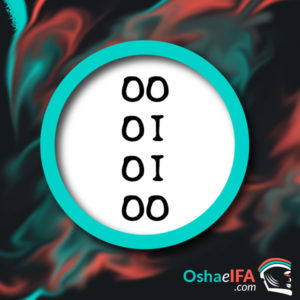





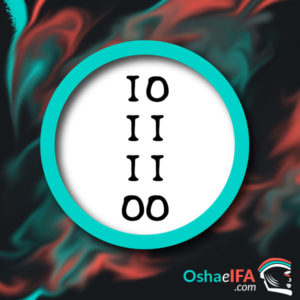


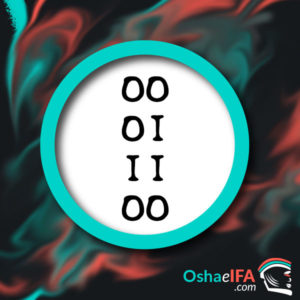




The Iwori family comprises one Ojú Odù, Iwori Meyi, and the fifteen Amúlù Odù or omolúos that are formed when Iwori appears combined with each of the other main signs. Although they all share the foundation of Iwori, each combination develops particular teachings, warnings, and guidance.
Iwori meyi
Ìwòrì Méjì · Ojú Odù · Odù no. 3
It encourages careful examination of material, spiritual, and emotional paths before making decisions. It also confirms Orunmila's representation in the sixteen ikines and warns that a lack of discernment can lead to blackmail, theft, or instability.
Iwori Bogbe
Ìwòrì Ogbè · Amúlù Odù · Odù no. 47
It addresses conflicts and separations within marriage, as well as situations that can weaken family stability. It recommends paying attention to warning signs early, avoiding hasty decisions, and not allowing disagreements to escalate into irreparable ruptures.
Iwori Yekun
Ìwòrì Òyèkú · Amúlù Odù · Odù no. 48
It teaches how to follow Ifá's guidance to avoid losses and dangerous conflicts. It recommends controlling one's words, not revealing everything one observes, and avoiding fights stemming from misunderstandings, grudges, or interference from third parties.
iwori odi
Ìwòrì Òdí · Amúlù Odù · Odù no. 49
It emphasizes solidarity with those in need and teaches that sharing prosperity allows us to continue receiving. It also warns about losses, risks associated with the sea, and the mistake of underestimating those who seem weak or insignificant.
Iwori Koso
Ìwòrì Ìròsùn · Amúlù Odù · Odù no. 50
It points to superiority complexes, disturbing perceptions, and thoughts that can alter behavior. Its teachings recommend humility, mental balance, and the ability to distinguish between a true observation and an interpretation distorted by pride or fear.
Iwori Ojuani
Ìwòrì Òwónrín · Amúlù Odù · Odù no. 51
He is recognized as the guardian of the kutún and has an important connection to the Egún and paraldos ceremonies. He also warns of disturbances within the home and family behaviors that could thwart the tranquility and protection represented by Obatalá.
Iwori Obara
Ìwòrì Òbàrà · Amúlù Odù · Odù no. 52
It warns that a person can lose out by being kind-hearted when others take advantage of their generosity. It teaches not to take the blame for others' mistakes, to set boundaries, and to act prudently in the face of curses, deceptions, or attempts to take what belongs to them.
Iwori kana
Ìwòrì Òkànràn · Amúlù Odù · Odù no. 53
It teaches that the Awó must respect different religions and avoid spiritual intolerance. It warns that rebellion, the destruction of the sacred, and actions born of contempt can close the path that was previously in ire.
Iwori Ogunda
Ìwòrì Ògúndá · Amúlù Odù · Odù no. 54
It is an odu of dispossession, tragedy, and cruelty. It advises protecting what has been achieved, avoiding violent confrontations, and not acting cruelly toward others, as persecution or abuse can backfire on the one who initiates it.
Iwori Osa
Ìwòrì Òsá · Amúlù Odù · Odù no. 55
He points out outstanding debts and obligations to Asojuano that must be addressed to avoid further harm. He also warns that a bad temper and uncontrolled reactions can exacerbate problems, and therefore demands humility, diligence, and self-control.
Iwori boka
Ìwòrì Ìká · Amúlù Odù · Odù no. 56
It speaks of moments of tension, drama, and contempt within romantic relationships. It recommends avoiding provocations and accusations that damage the relationship, as an emotional dispute can turn into enmity, separation, or a loss of stability.
Iwori Batrupon
Ìwòrì Òtúrúpòn · Amúlù Odù · Odù no. 57
It teaches that Awoses should help one another and remain dedicated to the study of Ifá. Although it may foretell obstacles and setbacks before achieving stability, it reminds us that good can be found within one's own home and that preparation allows one to recognize it.
Iwori Otura
Ìwòrì Òtúrá · Amúlù Odù · Odù no. 58
It recommends preparing spiritually before starting a business or pursuing new wealth. It warns against discontent, curses, and ingratitude among those who receive prosperity but forget the spiritual foundation that enabled them to achieve it.
Iwori Birete
Ìwòrì Ìrètè · Amúlù Odù · Odù no. 59
It can announce the arrival of a godson or goddaughter who will bring good fortune, as well as benefits received through the Saint. It teaches how to accept the religious responsibilities that accompany these blessings and how to perform the appropriate sacrifice to facilitate their development.
Iwori Boshe
Ìwòrì Òsé · Amúlù Odù · Odù no. 60
It warns about unexpected news that could cause fear or confusion. It recommends remaining calm, verifying information received, and avoiding games of chance, gambling, or speculative decisions that could lead to misfortune.
Iwori bofun
Ìwòrì Òfún · Amúlù Odù · Odù no. 61
It teaches prudence when entrusting possessions, secrets, or responsibilities to others. Before delegating anything important, the recipient's capabilities and true intentions should be assessed, because overconfidence can lead to losses that are difficult to recover.
Iwori within the Ojú Odù
Iwori occupies the third place among the 16 Ojú Odù and expresses principles related to observation, knowledge, and self-examination. The Ojú Odù are the principal signs that serve as the foundation for ordering the 256 Ifa signs.
When Iwori appears in both positions, it forms Iwori Meyi. The word Méjì It means “two” or “double,” so this configuration represents the complete manifestation of Iwori and is classified as an Ojú Odù, not as a combined sign.
The Amúlù Odù or omolúos of Iwori
The Amúlù Odù are the configurations formed by the union of two different Ojú Odù. In the Afro-Cuban tradition, they are also called omolúos. Iwori Bogbe, Iwori Yekun, Iwori Odi, and the other signs of this family belong to this category.
Iwori remains the first component and provides the general foundation of the family. The second odu directs that principle toward a specific teaching related to conduct, relationships, stability, religious obligations, or dangers that must be recognized.
What does Iwori represent in Ifá?
Iwori relates to the ability to observe, investigate, and understand what is not immediately apparent. Its teachings encourage examining both external circumstances and internal motivations before drawing a conclusion or making a decision.
This Ojú Odù shows that knowledge depends not only on looking, but on knowing how to correctly interpret what is observed. A person can have sufficient signs before them and still make mistakes due to pride, haste, fear, or overconfidence.
For this reason, Iwori also demands preparation and personal honesty. Recognizing one's own weaknesses, reviewing the path taken, and listening to the guidance of Ifá allows one to discover the true cause of a problem and correct it before it produces greater consequences.
How to interpret the signs of Iwori
In the signs of this family, Iwori brings the need to observe, analyze, and distinguish. The second Ojú Odù determines the particular sphere in which this discernment should be applied and modifies the entire orientation of the combination.
Iwori Yekun demands discretion regarding what is discovered; Iwori Obara teaches how to recognize when generosity is being taken advantage of; and Iwori Bofun recommends carefully evaluating those entrusted with possessions or responsibilities. All three originate from Iwori, but develop different teachings.
The brief meanings in this directory allow you to identify the basis of each combination. For a more complete study, you should consult the proverbs, patakís, advice, prohibitions, works, and other elements contained in the individual treatise.
The other families of the Ojú Odù
Iwori is part of a structure composed of sixteen families. Each one brings together an Ojú Odù and its fifteen corresponding combinations or omolúos.


