Ofun and its omolúos: meaning of the 16 combinations

Ofun, known as Òfún in the Yoruba tradition, occupies the last place among the 16 principal signs of Ifá. Its teachings relate to wisdom acquired through experience, the culmination of processes, and the consequences that accompany each action. This family comprises Ofun Meyi and the fifteen omolúos that arise from combining Ofun with the remaining Ojú Odù.
The 16 odu of the Ofun family
The Ofun family consists of Ofun Meyi and its fifteen combinations. Although all these signs retain the influence of Ofun, each Amúlù Odù possesses its own stories, warnings, and guidance, and therefore should be studied as a unit within the traditional order of the 256 Ifá signs.



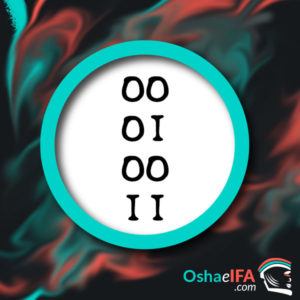


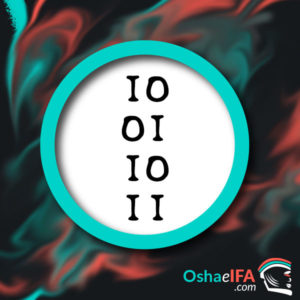

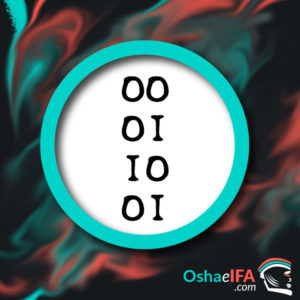
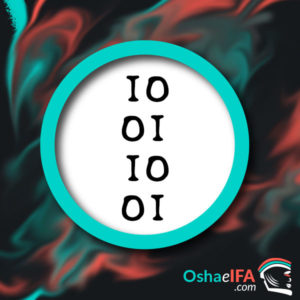
Ofun Meji
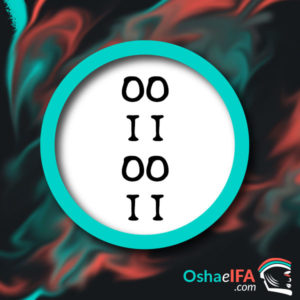
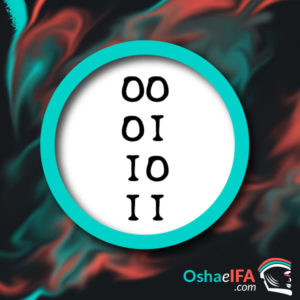
Òfún Méjì · Ojú Odù · Odù no. 16
It represents profound wisdom, inner strength, and the great paths that open up through experience. Its teachings warn that intelligence and power must be accompanied by discipline so as not to become instruments of destruction.
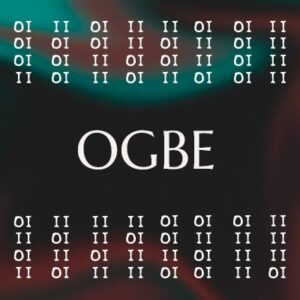
Ofun Nalbe (Ofun Ogbe)
Òfún Ogbè · Amúlù Odù · Odù no. 242
It warns of the danger of revealing sensitive information and becoming vulnerable to blackmail, contempt, or ingratitude. It recommends acting with discretion and not giving trust to those who have not yet proven themselves worthy of it.
Ofun Yemilo (Ofun Oyekun)
Òfún Òyèkú · Amúlù Odù · Odù no. 243
It can herald prosperity, well-being, and a mutually beneficial exchange of help for all involved. It teaches that opportunities should be met with gratitude, commitment, and a willingness to heed guidance.
Ofun Gando (Ofun Iwori)
Òfún Ìwòrì · Amúlù Odù · Odù no. 244
It speaks of wealth, prosperity, and the trials that can accompany a high position. It warns against rivalries among people in authority and advises against power struggles that could jeopardize what has been achieved.
Ofun Di (Ofun Odi)
Òfún Òdí · Amúlù Odù · Odù no. 245
It points out that disobedience and excessive curiosity can lead to shame, loss, or failure. It teaches respect for boundaries and not to interfere in matters whose consequences are not fully known.
Ofun Biroso (Ofun Iroso)
Òfún Ìròsùn · Amúlù Odù · Odù no. 246
It is a sign of revelations, transformations, and signals that allow us to uncover what was previously hidden. It also warns against disloyalty and impulsive decisions that can introduce conflict into personal relationships.
Ofun Funi (Ofun Ojuani)
Òfún Òwónrín · Amúlù Odù · Odù no. 247
It emphasizes the need to maintain spiritual and moral equilibrium in confusing situations. It recommends prudence in personal relationships and warns that the indiscreet search for secrets can cause problems that are difficult to control.
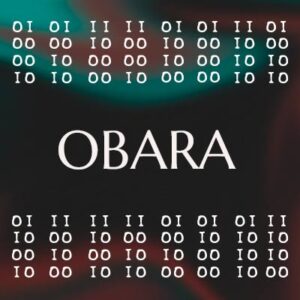
Ofun Bara (Ofun Obara)
Òfún Òbàrà · Amúlù Odù · Odù no. 248
It represents the dynamism of life through fire and the elements that sustain its energy. It teaches that passion needs direction and that everyone should recognize their own worth without falling into arrogance or overestimating their importance.
Ofun kana
Òfún Òkànràn · Amúlù Odù · Odù no. 249
It encourages acting with prudence and respecting both others and received traditions. It warns that recklessness, excesses, and a lack of consideration can affect personal and family stability.
Ofun Funda (Ofun Ogunda)
Òfún Ògúndá · Amúlù Odù · Odù no. 250
It contrasts the tranquility of those who act rightly with the remorse that accompanies those who cause harm. It also warns against envy, unfair competition, and conflicts arising from the progress of others.
Ofun Sa (Ofun Osa)
Òfún Òsá · Amúlù Odù · Odù no. 251
It encourages us to live with integrity, prudence, and balance in the face of temptations that arise along the way. It teaches that stability depends not only on good fortune, but also on the conduct we maintain in the face of each trial.
Ofun Ka (Ofun Ika)
Òfún Ìká · Amúlù Odù · Odù no. 252
It speaks of the reversal of roles and the loss of consideration between generations or people of different positions. It shows the conflict between tradition and rebellion, and warns about the consequences of emotional neglect.
Ofun Otrupon
Òfún Òtúrúpòn · Amúlù Odù · Odù no. 253
It outlines the consequences of disobedience, division, and the inability to communicate effectively. It teaches that differences can separate those who were once united and recommends avoiding words that deepen conflicts.
Ofun Tempola (Ofun Otura)
Òfún Òtúrá · Amúlù Odù · Odù no. 254
It relates to espionage, betrayal, and covert actions directed against others. It warns that those who attempt to cause harm may ultimately suffer the consequences of their own actions.
Ofun Bile (Ofun Irete)
Òfún Ìrètè · Amúlù Odù · Odù no. 255
It emphasizes the immortality of the soul and the importance of spirituality in human existence. It teaches that a dignified life allows one to maintain respect and leave a legacy that endures beyond physical presence.
Ofun She (Ofun Oshe)
Òfún Òsé · Amúlù Odù · Odù no. 256
It symbolizes the closing of cycles and marks the conclusion of the traditional journey through the 256 odu of Ifá. It teaches that finishing a stage requires understanding what has been experienced, fulfilling what remains unfinished, and preparing responsibly for a new beginning.
Ofun among the 16 main signs of Ifá
Ofun occupies the sixteenth place in the traditional order of the 16 principal odu, also called major signs of Ifa or Oju Odu. From these signs, the combinations that complete the 256 Ifa signs.
When both positions present Ofun, Ofun Meyi or Òfún Méjì is formed. Because it is the duplication of the same Ojú Odù, Ofun Meyi is one of the 16 Meyi of Ifá and not an omolúo.
The omolúos or Amúlù Odù of Ofun
The fifteen omolúos of this family arise when Ofun occupies the first position and combines with each of the other main signs of Ifá. Thus appear Ofun Ogbe, Ofun Oyekun, Ofun Iwori and the other combinations until reaching Ofun Oshe.
These signs share the initial influence of Ofun, but the presence of the second odu modifies their expression. For this reason, an omolúo should not be interpreted as the simple sum of two general meanings, but rather through its patakís, proverbs, prohibitions, and particular guidance.
What does Ofun represent in Ifá?
Ofun is associated with maturity, wisdom, culmination, and the outcome of processes that have gone through different stages. It can signify reaching an important position, but also the responsibility and trials that accompany such advancement.
His teachings remind us that every action has consequences. Experience can become knowledge when a person acknowledges their mistakes, respects boundaries, and uses what they have learned wisely.
Ofun also warns against arrogance, secrecy, betrayal, and the irresponsible use of power. Prudence, discipline, and fulfilling obligations allow one to preserve benefits and properly close each cycle.
How to interpret the signs of Ofun
The interpretation begins by identifying whether the consultation presents Ofun Meyi or one of its fifteen Amúlù Odù. This difference is essential, because each combination possesses teachings and recommendations that cannot be deduced solely from the general meaning of Ofun.
The orientation of the consultation, the person's circumstances, and other elements determined by Ifá must also be considered. The same sign can indicate different opportunities, warnings, or corrections depending on the context in which it appears.
The summaries above allow one to recognize the central themes of each odù, but they do not replace the study of its treatises or the interpretation made by a duly consecrated and prepared person.
The other families of the main Ifá signs
Each of the 16 main Ifá signs heads a family consisting of its Meyi and fifteen omolúos or Amúlù Odù. Consult the other families to learn about their combinations, traditional names, and main meanings.