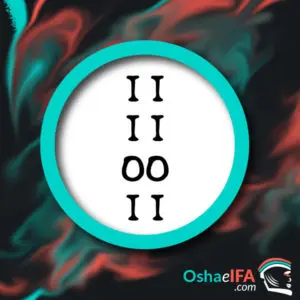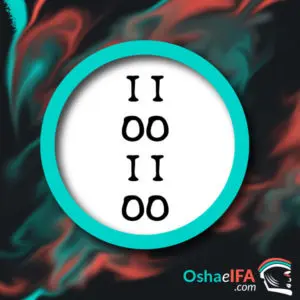
Ika Meyi: Meaning, Tips, Sayings, Traditional and more

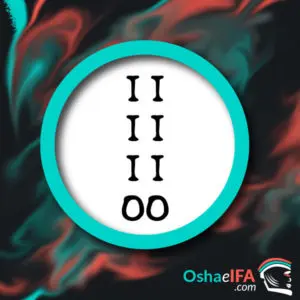
Ika Meyi is a male Ifá Odu, son of KATIENADESU and KATIRBO. The day of the week OYE and SHEGUN (The day of victory. The ruling planet IRAWALEGUN (Mars) Metal Iron.
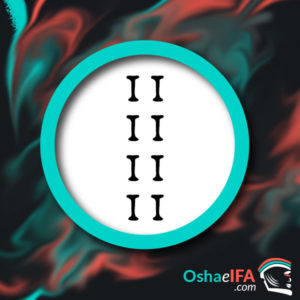
Ika Meyi is represented by two snakes. The Boa speaks, who rules all reptiles. Here the snake, not listening to Olofin's advice, killed itself by biting its tail and poisoning itself. Ifá says there is no death or disease for this person. He must offer his sacrifice in full.
Meaning of the Sign of Ifa Ika Meyi
This Odu means many worries and demands brake, control, with the correct sacrifice.
People with this sign are always surrounded by people who influence pain on others or delight in the suffering of others. He has to be constantly on guard, because they have no friends, no family, they are always alone.
Ika Meyi predicts that it is a good time to conceive, as well as indicating that you should always be feeding your head, in order to make good choices.
If this Odu is guessed for a person, he will be in difficulties, because he has very jealous enemies, who try to block his opportunities.
This Oddun of Ifa is the one empowered by Olodumare to remove all the spirits of the Odus de Ifá from the Opón Ifá (board)
In this Odu the snake, by not listening to Olofin's advice, she killed herself by biting her tail and poisoning herself.
The children of Ika Meji do not have friends or believe in anyone, they only think of them and believe that all men are equal and it is not like that. They are proud and boastful and for disobeying Ifá, they roll down the slope until they are lost.
What is born in the odu of Ifa Ika Meyi?
- The evil of human beings.
- The wood pigeon and the turtle dove.
- Blackmail, ruse, deception, loss and fraud.
- The belly praying with pumpkin for the deformed belly.
- The anchor. The canoe.
- Induced abortion and hearing children.
- Using the Obi Omi Tutu in the worship of Orúnmila and all the Saints.
- The dance of the heads of the quadruped animals sacrificed to the Saints.
- The fresh water that is offered to the Saints, especially to Eshu-Elegba.
- Tie the muzzle of the animals and put coconut and chewed pepper in the ears, eyes and forehead.
- All white.
- Exogamy.
- Marriage
What is the Ika Meyi sign talking about?
- Racism and xenophobia.
- They are born: The sandbanks.
- Fabrics.
- The quays.
- The clavicles and ribs.
- The claws of the felines, the natural weapons, the lizard and the iguana.
- Obatalá had a war with Yemajá.
- Ogun must be strengthened.
- Osanyin is not given to the godson.
- They speak in this Odu: Orúnmila, Eshu-Elegba, Olodumare, Ogún, Las Brujas, Los Ibejis, Osanyin, Shango, Naná Burukú, Orishanlá, Iroko, Olokun, Oshumare, Oshún and Yemajá.
- The diseases are: Tendency to suffer from heart disease, edema, spasms, high blood pressure, cramps, three diseases unknown to man, leg defects, due to accidents, premature abortions, malignant tumors, circulatory system, urinary and circulatory tract infections .
- When the Rainbow rises, it is prescribed to greet each other.
- Eating is prohibited: peanuts and corn.
- The person has a grimace, trick or nervous tic.
The Ika Meji sign points out:
- Indicates the opening of trade in the countries
- Point out: marriage, husband, blood, wounds, fidelity.
- The Boa speaks and rules all the reptiles. This Odu is represented by two snakes.
- Talk about evil sorcery, there is witchcraft and trap.
- All waters are fed.
- Save filial love.
- It is where OGUE is the crown of the Obá of the Hausa.
- It is removed to someone from a place or position.
- It is forbidden to do Ifá to Priests of other religions.
- Three diseases threaten.
- Shango and Egun eat all kinds of food together.
- When osobo speaks, the police arrive at the house.
You may also like: Shango, history and characteristics of this Orisha.
Recommendations of the Ika Meji sign:
When this sign of Ifa appears in Awafakan, if the person has no moral impediment or is a Saint's horse, he must do Ifá so that he does not get lost.
Here it was born to use the Obi Omi Tutu in the adoration of Orúnmila and all the Saints.
Here someone is removed from one place or position to put another.
Awó Ika Meji must be careful in giving Osanyin to the godson, because then he becomes more powerful than him, to avoid this before giving it to him, Ebo is made with: 1 chicken, 2 potatoes, 2 yams and other ingredients, a lot of money.
This Odu predicts that the person is threatened by three diseases unknown to humans and must make three sacrifices for this: First: Give Inle-Oguere enough corojo butter and do the Ebo with: 2 pigeons, 2 bananas, everything that is eaten and other ingredients. The second sacrifice: The head must be prayed with a guabina (Ejá-Oro). The third sacrifice: Take baths with Ifa herb omiero.
Ika Meyi Prohibits consecrating priests of other religions in Ifá.
The children of this Ifá do not have friends or believe in anyone, they only think of them and believe that all men are equal and it is not like that. They are proud and boastful, and for disobeying Orúnmila they roll down the slope until they are lost. They are foolish, short-tempered, jealous, violent and have the virtue of seeing things before they happen to them, but what they do with their heads they disrupt with their feet. They always want to be on top, to be bosses to command and to be obeyed, even if they are right and try to impose their will.
Also in their inner self, they are cursing people and they believe that the Saints do not hear it and they doubt all things and all people.
In this Odu, because of marital infidelity, they lose their lives, or cry with internal rage, for not crying in front of others when they fail to catch the one they wish to destroy. They are strong-willed and dominant.
For this Ifá one suffers from cramps and defects in the legs due to accidents. You should not jump holes, ditches, or enter caves.
Here was born the dance of the heads of the four-legged animals sacrificed to the Saints.
Here Orúnmila dances with everyone's heads and will continue to do so. It is an Ifá of blackmail, deception, losses, disobedience and disbelief.
Ika Meyi predicts that the person who will help you solve your problems will show up without waiting for you, and is the one who you least think.
The women with this Odu in Ikofafun like the man to suck her vulva (lava Obo).
In this Oddun of Ifa Obatalá had war with Yemajá. Here are two Saints who are fighting for his head. Through this Ifá the person will go through a bit of work, but will become well.
Sayings of the Odu of Ifa Ika Meyi:
- The woman who comes to me will find happiness.
- You are always crying.
- Modesty and simplicity go inside the chest of riches.
- The güiro falls into the water, it does not reach the bottom.
- If they don't give me my place, it is certain that they will take it away.
- What I say, Olodumare hears.
- The one who thinks to betray, is already consummated.
- My life has a name "problems".
- Thanks to the boat came wealth.
- If I don't hear advice, I won't grow old.
- Gold is never lacking in the eyes of the leopard.
- The young man is denied the right.
- When the anchor moves, the ship stops.
- All trees dry up, bamboo does not.
- The man clings to his old stick in his walk on land and an old wood in the sea.
- The gourd was born out of disobedience.
- The king of the Ahusas never dies poor.
Says Ifa Ika Meyi:
When this Odu appears in Okpele or Ikin divination (in ordinary divination), the person should be advised that: He must make a sacrifice with a rooster, a hen. If he is a man, he will be told that a woman comes to marry him of her own free will and that the woman will serve him with obedience and loyalty until the end of their lives.
If she is a woman, she will be told that she will find a new husband, that he will serve her as a slave, and that she will not think of marrying any other woman after her.
The following sacrifice should be made: a rooster, a dove, a knife, scissors, and fire, so that anything that aspires can bear fruit.
When the sign of Ifa Ika Meyi is presented at the initiation ceremony of Igbodun, the initiate should be told that:
Offer a father ram to Ifá and a goat to Eshu-Elegba, so that it is considered and respected by all.
Orishanlá must be well cared for, because it was he who cursed Babá Ika Meji.
He must sacrifice a goat to Eshu-Elegba, a banana to his Ifá and doves to his head, to avoid the danger of encountering insurmountable problems on earth.
You must daily worship Olodumare and ask him when telling him your problems.
To obtain his crown, he must sacrifice a goat to Eshu-Elegba, a dog to Ogún, a neutered goat, and eggs to the Elders of the Night.
This Oddun prescribes when he comes for a man, who has several brothers, to try to provide his Ifa and to sacrifice Ogún with a goat, two doves and a rooster. In this way he will eliminate the envy of his own brothers and will come to provide his own home and stable business.
He has to sacrifice to the deity Olokun, so that he can remove obstacles and difficulties. The sacrifice must be made at a dock where the ships dock.
He must sacrifice a goat to Ifá, a ram to Shango and a goat to Eshu-Elegba, to avoid being discovered in an act and accused of being a thief, so that he has to serve a sentence in jail.
The heads of the sacrificed animals will be placed on the Ifá altar after drying.
When Ika Meyi appears for a woman, she will be told that her stomach problem is due to not inviting people to eat. She must make a banquet for the people, with the animals of a sacrifice that must make Oshún (capon goat) two chickens and two doves and Eshu-Elegba a goat and a chicken.
You will also be advised not to be Gandian or greedy.
For a woman desiring to have a child, she must sacrifice what the Ifá divination prescribes.
Prayer of the Odu Baba Ika Meyi:
IKA NI KANI EBO IKA NI KANI ONI BABALAWO OLUWO AGUBI AGBE DEMOYEKO
BABY OSI AGBE DEMOYEKO OTU ÑARA ÑARA ADIFAFUN LAOKO ELEBUTE,
JEKUA OSHANLA BIRINIWA ONIBARA NIREGUN ONI MIREO OGUN ALAWEDE,
MAFEREFUN OLOKUN.
Suyère Oddun Ika Meji:
MAYOKODA MAYOKODA WARA NI MAMA YOKODA WARA NI BABY OTUN
BABY OSI OTO ÑARA ÑARA ADIFAFUN ELEBUTE.
You may also like: Treaty of Ifa, Oddun Obara Meyi
Ebbo of the Odu Ika Meyi Ifa:
To reassure a man in the house.
The head of a hutía and a fish is made to powder, that powder is put on the board and Babá Ika Meji is prayed and it is thrown in some food so that it can be eaten. Afterwards, a broody chicken egg is taken, Babá Ika Meji is painted on it and it is broken on the outside door of the house and it is said:
"Just as this egg did not produce chicken, so and so do not go out on the street."
For Yemajá.
You will be given a white rooster.
For Eshu Elegua.
You will be given a rooster.
Head rogation. (Ika Meji's secret:
The head is requested with: cochineal, white cockroach, and ripe Indian banana.
For Elegba.
You will put two OGUEs loaded with: Ceiba root, jiquí, atiponlá, goat head, ero, obi, kolá, osun naború. Each one is lined with a hand of dilogunes (snail)
Tips from the oddun of Ifa Ika Meji:
The man who has this Odu, will not hit his wife or offend her and must treat her well.
Here you have to receive Ogún, and if you have him you have to strengthen him and feed him.
Ika Meji's worst enemies are his own brothers by blood and religion.
This was where Orúnmila commanded the ship to do Ebo, and it did not.
For this Odu, Yemajá is given a white rooster. Eshu-Elegba is given a chicken. You also have to beg your head with: mealybugs, white cockroaches, and ripe Indian banana (secret of this Odu).
Here Eshu Elegua is given two Ogue loaded with: Ceiba root, jiquí, atiponlá, goat head, ero, obi, kolá, osun naború. Each one is lined with a hand of dialogues.
Obatalá and Eshu-Elegba are given eight ekrú each, in addition to Eshu-Elegba they are given jutía and smoked fish, roasted corn and given a rooster, but before Ebo is made with two white doves.
The key to this Odu is to present the food to Eshu-Elegba and it is not put on or given to him until the third day.
For this reason, Odu Shango and Egun eat all kinds of animals together. This Ifá speaking Osobo is the police in the house. Ogun must be strengthened.
For this Ifá the person has to try to focus on life so that when he is old or sick or things are adverse to him, he does not have to resort to people whom he considers inferior and has to humble himself.
Ifa Ika Meyi Oddun Treatise
Here the sea was populated with fish. It is a Fire Odu, so it is somewhat dangerous. He is the Odu versed in evil sorcery. He is used to killing children. It is an Odu of abortions.
This Ifa sign "Ika Meyi" never lets her children fall. Here the good of the Awó part of its opposites. Babá Ika Meji is a safe harbor.
Those born under this sign, it is necessary to do Ifa so that they do not die.
Ika Meji prohibits liquid or food in gourds. For this Ifá all waters are fed. The adimuses are taken to the river.
The colors of this Ifá are: black, blue and red.
The Herbs of the Odu are: sugar, blue matchstick, locks, corn, hard (plant that contains the king of all Ikinis.
Here were born: The sandbanks, the pirogues, the wickedness of human beings, the wood pigeons and turtle doves, the praying of the belly with pumpkin for the female belly that is deformed, the fabrics, the anchors, the springs, the ribs , clavicles, marriage.
Here filial love saves (the children) marks witchcraft and traps.
Here the head of the person will take him to an important position as long as he sacrifices and is very obedient to Ifá.
It is where Ogue is the crown of the Obá of the Kaussá.
This is the Oddun empowered to withdraw from the Atepon Ifá to Heaven all the spirits of the Odus de Ifá called in the act of Ebó.
Here the head of the person takes him to an important position in life. The claws of the felines were born. Induced abortion and hatred of children.
The Awó with this Ifá, if he proposes himself, becomes a powerful sorcerer of black magic or Jewish stick.
Odu Ika Meji Ifa Code of Ethics:
The welfare of the Awó starts from its opposite.
Pataki of the sign of Ifa Ika Meyi:
He who kills iron dies.
There were three friends, one named Adimere and two others, they always hung out together. At one point two of the friends invited Adimere to go to another land in order to prosper.
They went out on the road and came to the government of another king and asked for work, this job from friends and Adimere sent him to plant pumpkin to eat that same day. Adimere every time he took a pie he fell asleep and when he woke up he found a grown pumpkin and another to eat, he took them and took them to the king, annoyingly he gave him more work, almost impossible to do and Adimere always beat them.
One day, Adimere, told his friends that he would go to register with Orúnmila and begged them not to say anything. Orúnmila saw this Odu Ika Meji, and he marked him ebo so that no more work would happen, and told him that he should isolate himself from his two friends since their friendship was damaging him and they were going to compromise him, he also told him that he was going to go to a land where they were waiting for him to rule and that after the ebo would feed his head.
When the king of the place where Adimere was missing him, he called his friends and asked him where he was, and since they did not want to find out, the king told them that he would send them to scourge if they did not tell him the truth, The friends, faced with that threat and in fear, told the king everything. The king orders to be a box the size of Adimere.
When Adimere arrived with his head bandaged, the king ordered him to take prisoner. They put it in the box and threw it into the sea, but since Orúnmila had told him to make ebo and he had done it, some fishermen who saw that box floating imagined that it was a shark and they threw the hooks, hooked it and began to dragging her to the shore, Adimere sang a song of his land and the fishermen realized everything, they opened and Adimere came out and spoke to them in the language of that country, they immediately recognized him and crowned him, sitting him on his throne, decorating and painting him They asked him in a very pleasant tone what he wanted; Adimere did not ask for anything for him, but told him that he wanted him to invite the king who had put him through so much work.
When the king received the invitation, he immediately went to where Orúnmila was and he told him not to go, but he ignored the invitation and agreed. When he got to where Adimere was, he didn't know him. Adimere told him not to be scared that he was not going to kill him but he took him prisoner. Then he told him that he was only going to send him to do the same thing he had to do in his reign, take these pumpkin seeds, pick and shovel and go plant it on the mountain that I want to eat pumpkin this afternoon.
Ika Meyi Ifa Traditional Nigerian
IKÁ MÉJÌ
Káwó fun mi
Kí n kásè fun o
A day fún Oníkàámògún
Omo Aláaka káwó iku
Wón ní ó saca káálè ebo ní ó se
Wón ní ó fi aaka kún ebo è ru
ko ku
kò rùn
Kà sàì kábi kúò
Akika
Akika kà sàì kábi kúò
Akika.
Ifá wants this person to be well. Ifá says that he will save him from the clutches of death, disease and loss. He must add Aaka to his sacrifice.
Káwó fun mi
Kí n kásè fun o
He made divination for Oníkàámògún
The son of Aláaka káwó ikú
They advised him to take care of the land and offer sacrifice
They advised him to add Aaka to the sacrificial items
He did not pass away
Nor did he fall ill
What will roll the bad things away?
Akika
Akika will roll bad things away
Akika.
Eshu by Ika Meji
Eshubi:
This Eshu Elegba lives in the bushes. He's a boy, Akongoriye's brother. The stone is from Mt.
Load: Herbs: Blue and white celestine (oriye and kotoriye), chicken leg, freshness, nettle, ivy, 3 pumpkin guides, peonies, land of a hill, land of crab, ero, obi, kolá, osun naború, orogbo , head and front legs of jicotea, blue and white celestine grass, land of jail and four corners, head of fish, name and surname of the person who receives it. He carries a hand of dilogues. The feet of the person who is going to receive will be washed with water and the dilogunes are washed with that water. When the load is finished, a rooster will be given, the rooster's body will be filled with stuffing to the bush. This must be before the lavatory.
This Eshu Elegua lives on the corners. It is said that he does evil, he is the brother of Eshu Elegua Lawana, who is in the savannah and everywhere. Eshu-Elegba Bi leads people, from the street corners to where the Anima Sola is at night, to kill them in silence. Eshu-Elegba Bi is the Chief of the Ibejis or the Jimaguas. It is unbeatable, when you have the vein to protect your child. Baisoye, is like his brother in Arará.
Learn about the 16 Mejis: