Okana (Òkànràn) and its omolúos: meaning of the 16 combinations

Okana, called Òkànràn in Yoruba nomenclature, is one of the 16 principal signs of Ifá. Its foundation relates to trials, struggles, tensions, and the transformation that can arise from facing obstacles correctly. When combined with itself, it forms Okana Meyi; when combined with the other principal odù, it gives rise to the remaining signs of its family.
The 16 odu of the Okana family
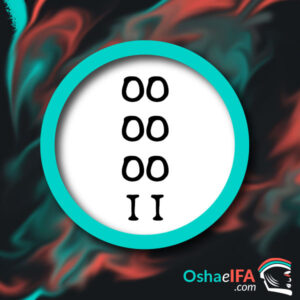


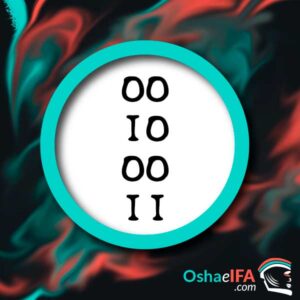
The Okana family comprises one main sign, Okana Meyi, and the fifteen Amúlù Odù or omolúos that are formed when Okana appears combined with each of the other main odù. Each configuration develops particular teachings about character, conflicts, prosperity, relationships, and the consequences of acting impulsively.
Okana meyi
Òkànràn Méjì · Ojú Odù · Odù no.
It is an odu of chains, illnesses, and trials capable of limiting one's development. However, it also contains possibilities for transformation and growth, teaching that discipline and fulfillment allow one to break free from what holds a person back.
Okana sode
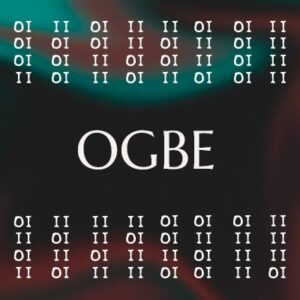
Òkànràn Ogbè · Amúlù Odù · Odù no. 122
It speaks of the constant struggle to overcome obstacles, enemies, or competitors. It recommends protecting what has been achieved, avoiding embarrassing situations, and acting with special care around fire, as carelessness can affect the stability of the home.
Okana yekun
Òkànràn Òyèkú · Amúlù Odù · Odù no. 123
It emphasizes responsibility towards children and the need to provide the necessary care to protect them. Its teachings show that religious observance and caring for the family allow one to enjoy a more stable life.
Okana iwori
Òkànràn Ìwòrì · Amúlù Odù · Odù no. 124
It warns against premature events and situations that could disrupt a destiny ahead of time. It also teaches against unfairly accusing those who try to help, as a beneficial action can be misinterpreted due to a lack of observation.
Okana Di
Òkànràn Òdí · Amúlù Odù · Odù no. 125
It emphasizes the importance of combining strength with wisdom. It teaches that willpower allows one to face great difficulties, but it must be accompanied by reflection and prudence so that the effort does not lead to further losses.
Okana Rosa
Òkànràn Ìròsùn · Amúlù Odù · Odù no. 126
It may promise advancement, recognition, and support from people in positions of authority. However, these opportunities require commitment and proper conduct, as arrogance or negligence can prevent the support received from leading to stability.
Okana Ojuani (Yabile)
Òkànràn Òwónrín · Amúlù Odù · Odù no. 127
It heralds the arrival of opportunities that must be recognized and seized from the outset. It warns that squandering initial good fortune, breaking agreements, or abandoning commitments after achieving success can close off future paths.
Okana Bara
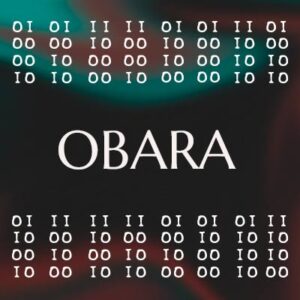
Òkànràn Òbàrà · Amúlù Odù · Odù no. 128
It teaches that prosperity is achieved through introspection, consistent work, and respect for traditions. A person must acknowledge their mistakes, correct their behavior, and avoid expecting favorable results without making the corresponding effort.
Okana ogunda
Òkànràn Ògúndá · Amúlù Odù · Odù no. 129
He speaks of the need to defend life and to express what must be resolved. However, he reminds us that strength and success should not breed arrogance, for humility allows us to preserve a victory that might otherwise be lost.
okanasa
Òkànràn Òsá · Amúlù Odù · Odù no. 130
It relates to the manifestation of sacrifices and to communication between Earth and Heaven. It teaches that it is not enough to begin a project: the foundations must be respected and all its steps correctly followed to obtain the desired result.
Okana Ka
Òkànràn Ìká · Amúlù Odù · Odù no. 131
It emphasizes the courage, honesty, and firmness needed to prevent misfortune. It recommends defending one's convictions without resorting to deception, since a lack of integrity weakens even a position that initially seemed secure.
Okana Otrupon
Òkànràn Òtúrúpòn · Amúlù Odù · Odù no. 132
It reveals an intense and passionate nature, prone to emotional and financial ups and downs. It represents the fire that can purify or consume and warns against ambition, betrayals, and decisions whose consequences ultimately destroy well-being.
Okana Otura
Òkànràn Òtúrá · Amúlù Odù · Odù no. 133
It illustrates the power of words to create or provoke conflict. It warns against gossip, secrets, and disagreements with neighbors, recommending that one control what is said and avoid conversations that could create animosity.
okana irete
Òkànràn Ìrètè · Amúlù Odù · Odù no. 134
Its main lesson is transformation and the ability to reinvent oneself in the face of challenges. It encourages recognizing when one's own behavior is causing harm and changing course before difficulties become permanent losses.
Okana She
Òkànràn Òsé · Amúlù Odù · Odù no. 135
It may herald success and prosperity, but remember that these are usually accompanied by hard work and sacrifice. The bee represents the perseverance needed to produce results, as well as the obligation to carefully protect the fruits of one's labor.
Okana fun
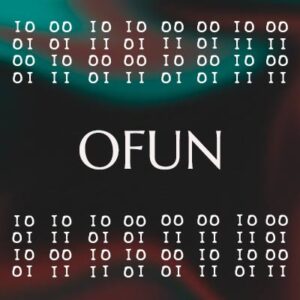
Òkànràn Òfún · Amúlù Odù · Odù no. 136
It warns of persecution, disobedience, and prolonged problems resulting from persisting on the wrong path. It also states that difficulties can end when guidance is followed and behavior is corrected.
Okana among the 16 main signs of Ifá
Okana occupies the eighth position among the 16 principal odu, also called major signs of Ifá or Oju Odu. In many houses of the Afro-Cuban tradition, this set is known as the 16 Meyi of Ifá. These principal signs serve as the foundation for ordering the 256 Ifa signs.
When Okana appears in both positions, it forms Okana Meyi, whose traditional name is Òkànràn Méjì. The word Méjì It means “two” or “double,” so this configuration represents the complete manifestation of Okana and is classified as a main sign, not as an omolúo.
The omolúos or Amúlù Odù of Okana
Amúlù Odù are the configurations that result from combining two different main odù. In the Afro-Cuban tradition, they are also called omolúos. Okana Sode, Okana Yekun, Okana Iwori, and the other combined signs of this family belong to this category.
Okana remains the first component and provides the general foundation of the family. The second odu modifies its expression and determines whether the teaching is directed towards conflicts, character, relationships, prosperity, speech, or the transformation of a difficult situation.
What does Okana represent in Ifá?
Okana is associated with trials, obstacles, and tensions that demand an immediate response. Its energy can drive a person to strive for their development, but it can also lead them to react rashly when they lack self-control.
Okana's intensity can be used to break chains, overcome difficulties, and transform a situation. However, that same strength can produce arguments, losses, and confrontations when it manifests as anger, capriciousness, or disobedience.
This family teaches that willpower must be accompanied by wisdom, honesty, and commitment. It is not enough to possess strength to win: it is necessary to know when to act, what direction to take, and how to maintain the results achieved.
How to interpret the signs of Okana
In the signs of this family, Okana brings the principles of struggle, tension, strength, and transformation. The second main odu determines what obstacle must be faced, what behavior is intensifying the conflict, or what change allows for development.
Okana Sode speaks of the struggle to overcome obstacles; Okana Bara relates prosperity to work and introspection; Okana Otrupon warns about intensity, ambition and betrayals; while Okana Irete teaches how to reinvent oneself in the face of challenges.
These brief meanings serve as an introduction to each combination. A complete study requires consulting its proverbs, patakís, advice, prohibitions, works, and other elements contained in the individual treatise.
The other families of the main Ifá signs
Okana is part of a structure composed of sixteen families. Each one brings together a main sign and its fifteen corresponding combinations or omolúos.